
Thirty years inside the machine. Now helping leaders redesign it.
Founder of ResSer, Partner at Whitebridge, Distinguished Fellow at Avasant: one thesis, seen from three sides.
Why I started ResSer
The storm isn't coming. It's already here. Rapid AI adoption, geopolitical fragmentation, talent shortages and relentless cost pressure are hitting operating models that were never designed for this combination. Throughout thirty years in this field, one lesson has remained constant: organisations that anticipate disruption and prepare for multiple scenarios consistently outperform those that wait for certainty before acting.
Take digital sovereignty, Europe's preoccupation of the moment. However valid, it is a reaction to something that has already happened, and an adequate answer still hasn't emerged. That is the pattern I want to break: do we keep reacting, or do we start anticipating? I believe we can anticipate. Walk through the scenarios before they unfold, work out what each would demand, and decide what to do, stop or prepare now.
That conviction is ResSer. I don't try to predict the future. I help leaders make sure their organisation is prepared for whatever future unfolds. Not as an abstract exercise, but translated into concrete sourcing decisions, workforce plans and contract clauses.
Independent by design. ResSer is never paid by the providers under evaluation: no referral fees, no vendor alliances shaping the advice. The recommendation serves one interest: yours.
The career behind the thesis
I spent three decades on the operating side of technology, sourcing and global business services: at Hewlett Packard, Atos, ING and ABN AMRO. At ING I shaped global hub design; at ABN AMRO I embedded strategic workforce planning into service design. I have sat on the client side of the table, run the delivery factories, and negotiated the contracts.
That inside experience is why the ResSer approach is practical: every scenario, framework pillar and playbook move is something I have seen work, or fail, in a real organisation.
What I believe
GBS organisations built for cost must become orchestration layers for AI, agents and partners. Workforce scenarios must honestly include shrink-paths and role displacement, not just growth. And resilience is not a project with an end date; it is a capability with a heartbeat, like security.
In 2022, my team won the Dragons' Den of ABN AMRO's Leading for Better leadership programme, the only team of our cohort to make it through, with the Global Talent Hub: a GCC with two-way rotation of head-office talent, years before talent hubs became mainstream thinking. Reorganisations meant it was never built. That taught me something lasting: being early is not enough: organisations need the resilience rhythm to act on what they already see.
If you want the day-to-day version of this thinking, follow me on LinkedIn. That is where I share insights, presentations and the occasional strong opinion.

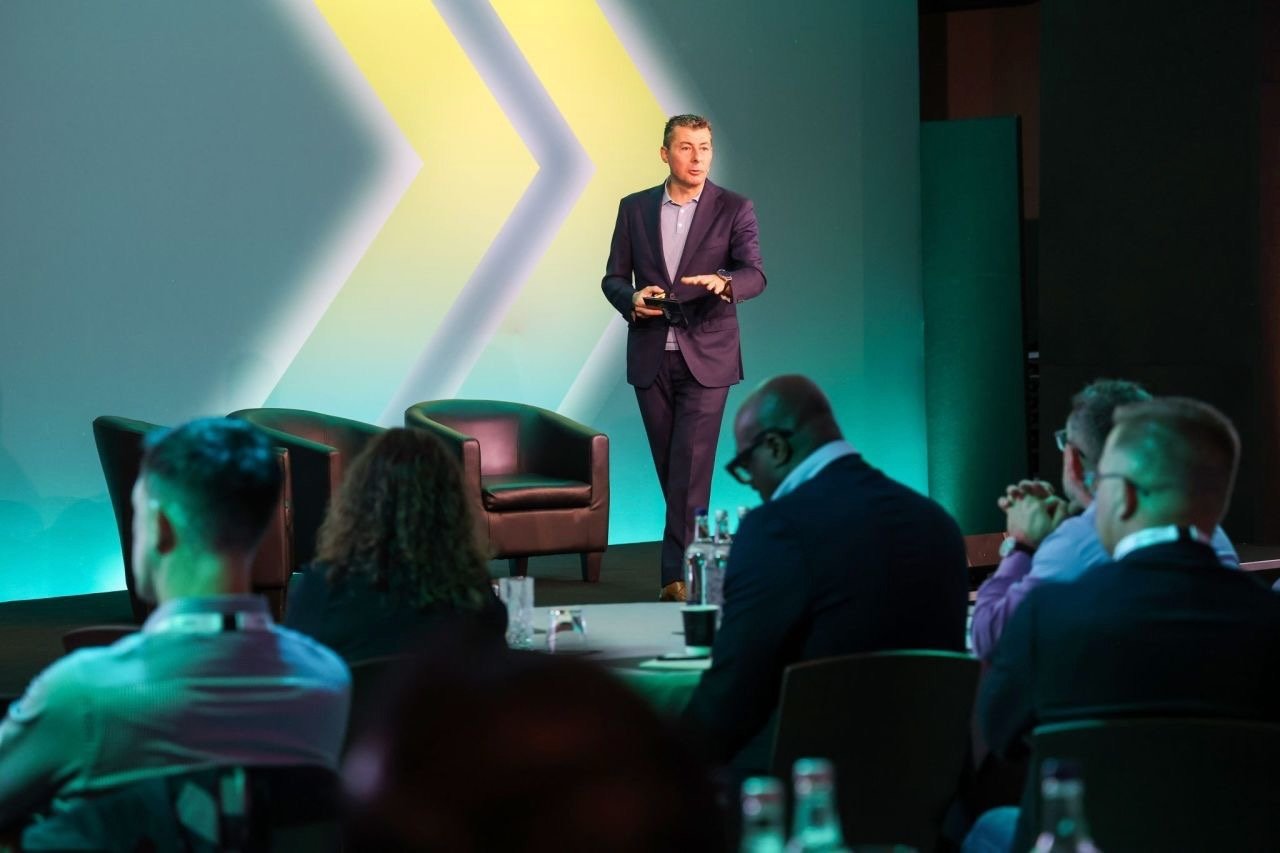
One thesis, seen from three sides.
Industry-wide research on GBS, sourcing and the agentic AI shift, the outside-in lens that keeps the thesis honest.

Strategic sourcing and SWP engagements with operators in financial services, logistics and industrial.
The integration layer, turning research and engagements into the resilience playbook for sourcing and SWP leaders.
One question is enough
Thirty minutes to see whether the framework fits your context. No slides, no follow-up unless you ask.